Solar Installations
Premium Solar Installations
For many South African businesses, renewable energy has moved from a future option to a present-day question. Rising electricity costs, supply interruptions and a growing interest in cleaner power are all pushing organisations to look at generating some of their own energy on site. But a renewable energy project is more than buying equipment. It is a piece of electrical engineering that has to fit the site, work with the existing installation and meet applicable requirements.
Successful projects tend to share one feature: they begin with a clear understanding of how the business uses power and what it wants the project to achieve. Without that, even well-built systems can end up poorly matched to the site.
National Electrical Services (NES) is a renowned electrical contractor in South Africa, operating in the electrical, construction and maintenance sector with offices in KwaZulu-Natal, Gauteng and the Western Cape. Its service offering includes renewable energy implementation, alongside solar installations, solar maintenance, energy efficiency consulting and load profiling. Organisations looking for a reliable electrical company in South Africa can contact NES to confirm the scope and availability of support for a specific site.
For businesses in Durban, Johannesburg, Cape Town and other parts of the country, a good renewable energy project starts by defining the goals, understanding the site and agreeing a realistic scope.
Explore Our Services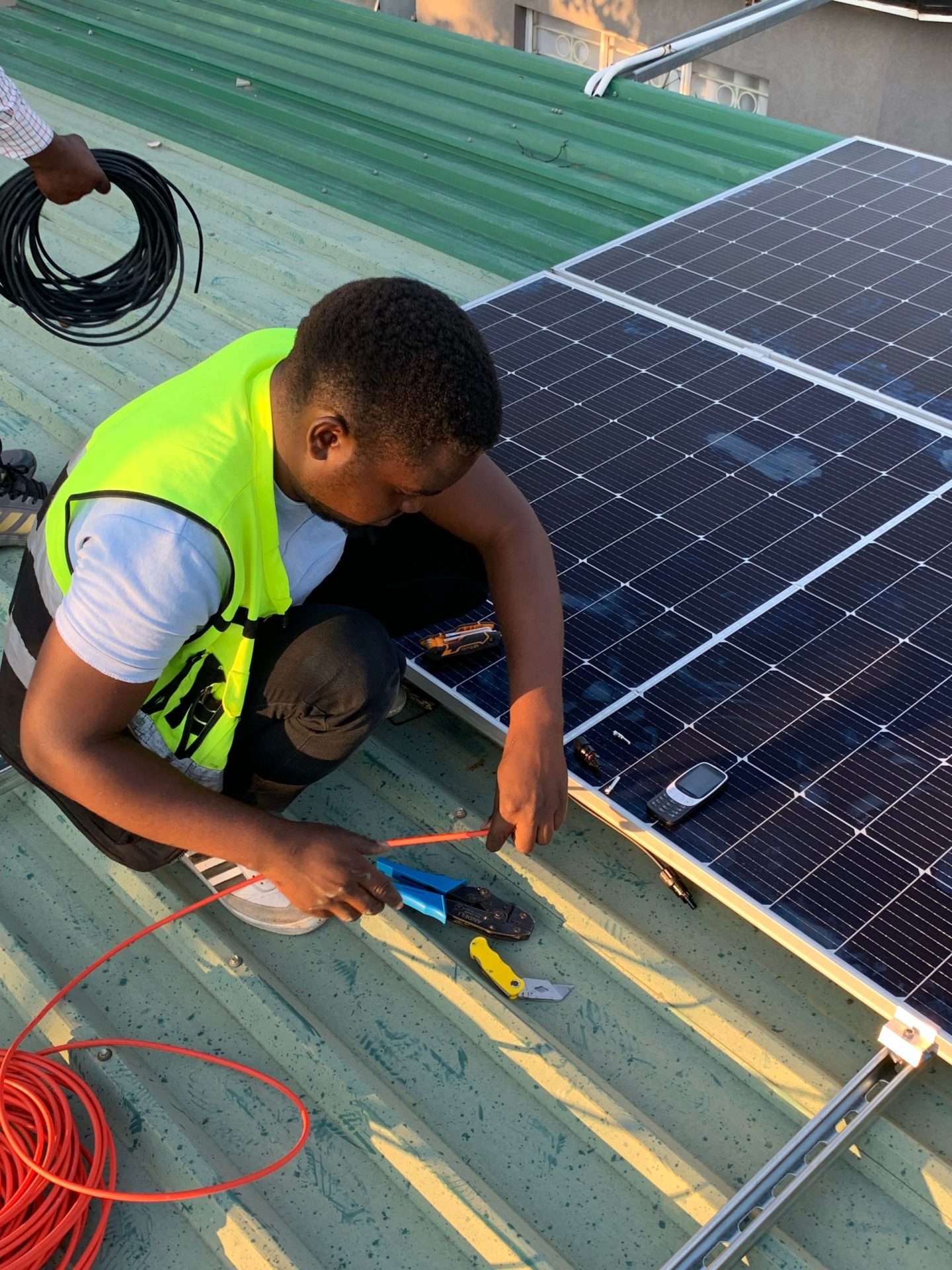
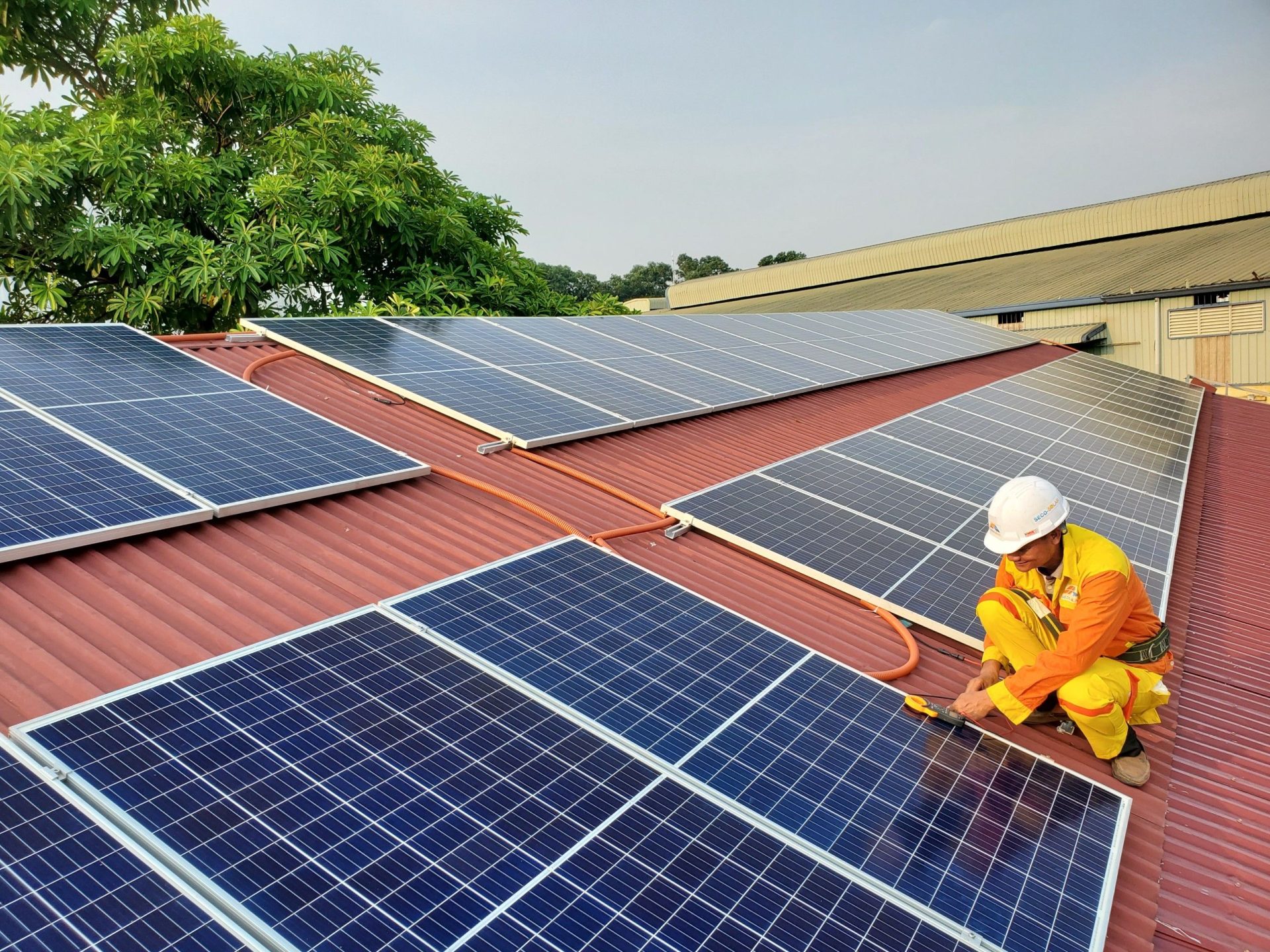
How to Choose the Best Renewable Energy Contractor
Relevant experience
Ask whether the contractor has delivered projects on comparable commercial or industrial sites for your industry.
Clear scope and pricing
Request a written proposal that sets out equipment, exclusions, assumptions, approvals and any additional charges
Qualifications and authorisations
Confirm that personnel are suitably qualified and authorised, and that the installation will be certified as required.
Approvals and documentation
Always ensure you are aware of who will handle approvals and which documents you will receive on completion.
The Standards Behind Every Installation
Safety at Every Step
Safety-minded planning and jobsite practices help protect people, property, and project progress.
Workmanship That Meets Code
Careful installation and code-conscious execution deliver systems built for safe, lasting performance.
Dependable Delivery
Clear coordination and disciplined scheduling keep electrical work aligned with project milestones.
Electrical Solutions for Every Site
-
Warehouses: rooftop solar arrays and battery storage
• Manufacturing plants: on-site wind + solar hybrid systems
• Logistics hubs: solar carports and microgrid resilience
• Data centers: renewable PPAs and critical-load storage
• Cold storage: solar-powered refrigeration and thermal storage
• Utilities: grid-scale solar, wind, and battery integration
-
Office buildings: building-integrated PV and smart energy management
• Retail stores: solar canopies and tenant-ready renewable fit-outs
• Hotels: solar thermal + heat-pump systems for guest areas
• Restaurants: rooftop solar and kitchen energy recovery
• Mixed-use properties: shared community solar and storage
• Parking facilities: solar carports with EV charging
-
Hospitals: resilient solar + storage for essential power
• Clinics: reliable off-grid or hybrid solar systems
• Schools: classroom-scale solar and campus microgrids
• Universities: large arrays, research labs, and facility upgrades
• Municipal buildings: public solar projects and efficient space systems
• Multi-family housing: unit-level solar and shared battery storage
FAQs – Renewable Energy Solutions for Every Site
Find answers to common questions about planning, installing, and completing your electrical project.
What renewable energy solutions are typically recommended for warehouses and logistics hubs?
Rooftop solar arrays, solar carports, and battery storage systems are most common. These provide reliable power for high-bay lighting, equipment charging, and resilient backup during grid outages while lowering long-term operating costs.
Can manufacturing plants run reliably on renewable energy?
Yes. Hybrid solar and wind systems paired with advanced energy management and battery storage can power machinery circuits effectively. This approach reduces demand charges, improves uptime, and supports continuous industrial operations with greater resilience and efficiency.
How do data centers incorporate renewable energy without risking critical systems?
Data centers use long-term renewable Power Purchase Agreements, on-site solar, and redundant battery storage that prioritizes critical loads. This combination maintains the high reliability required while steadily increasing clean energy supply.
Are renewable solutions practical for hospitals and clinics?
Yes. Hospitals typically deploy solar plus battery systems sized for essential power and backup needs. Clinics can use smaller hybrid or off-grid solar setups that keep medical equipment running reliably even during grid disturbances.
What options work best for office buildings and mixed-use properties?
Building-integrated photovoltaics, rooftop solar, and shared community solar with smart energy management work well. These solutions support flexible workspace demands and coordinated tenant power distribution while reducing overall energy costs.
Can retail stores, hotels, and restaurants benefit from renewables?
Yes. Retail sites benefit from solar canopies and display-friendly systems. Hotels use solar thermal and heat pumps for guest areas, while restaurants pair rooftop solar with kitchen energy-recovery systems for efficient daily operations.
How are schools and universities approaching renewable energy?
Schools often install educational solar arrays and campus microgrids that also cut costs. Universities typically deploy larger arrays, laboratory circuits powered by renewables, and research-grade systems that support both learning and facility upgrades.
What about parking facilities and multi-family housing?
Parking facilities commonly use solar carports that double as EV charging stations. Multi-family housing relies on rooftop solar combined with unit-level panels and shared battery storage to power both individual units and common areas.
Do these solutions include battery storage and microgrids?
Most modern designs include both. Battery storage and microgrids improve resilience, enable peak shaving, and allow sites to operate during outages—especially valuable for data centers, hospitals, cold storage, and logistics hubs.